
This English version may have been machine-generated from the Chinese original and may not convey the original meaning accurately.
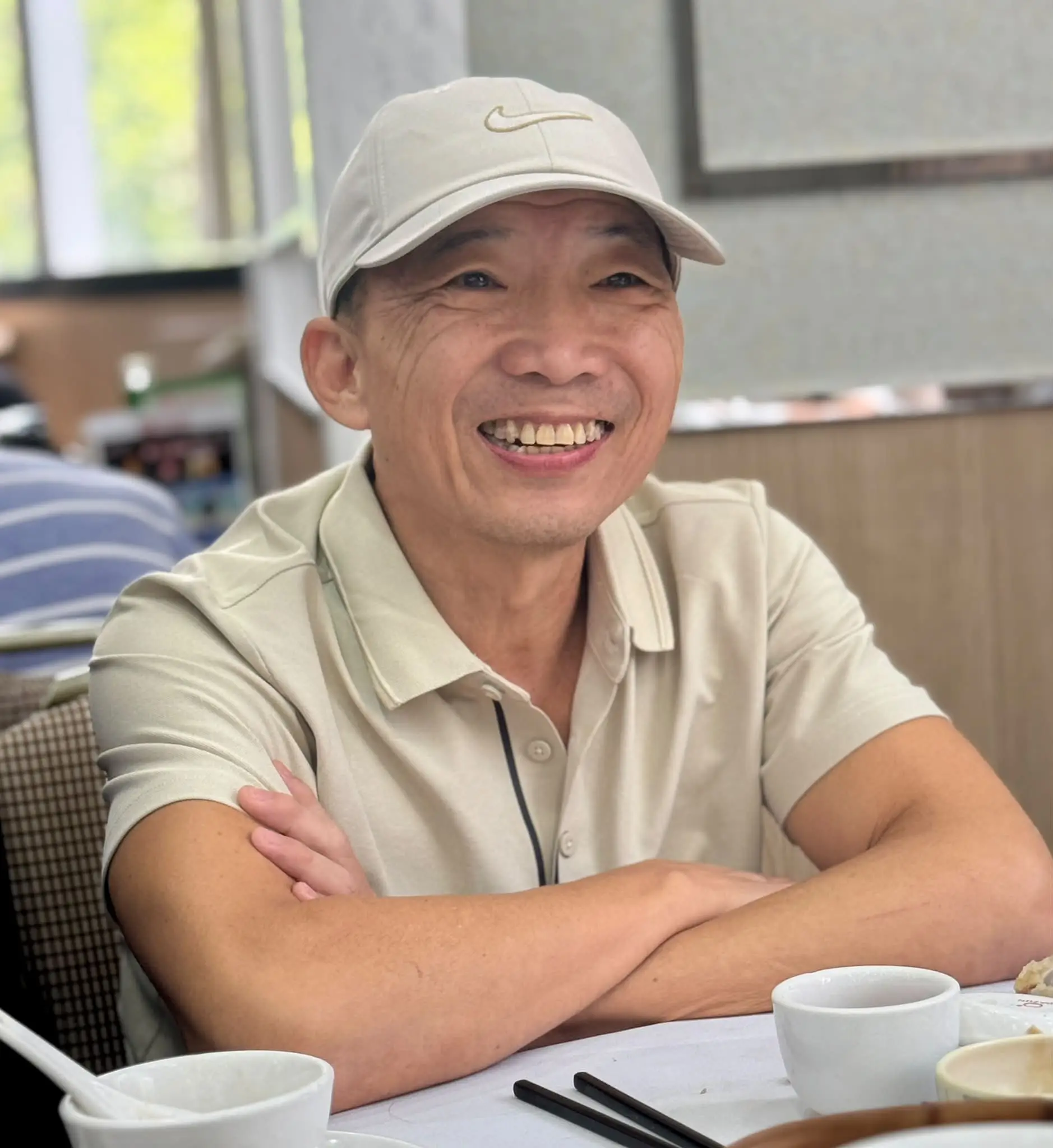
At first glance, Hu Zhiwei’s ordeal may seem like an immigration story, but on closer examination it is a mirror exposing the maladies of Hong Kong and the system as a whole.
What was his “crime”? Merely participating in the pro-democracy primary elections and attempting to win a seat through peaceful, open, common-sense political competition. This is a civic right taken for granted in any mature democratic society, yet in Hong Kong it was characterized as “subversion of state power,” earning him years behind bars and even preventing him from saying goodbye when his parents passed away. This absurd logic alone shows that Hong Kong’s judicial system has long since become a political tool rather than an independent arbiter. When “running for office” can result in a prison sentence and “primary elections” can be treated as “subversion,” the so-called rule of law is left with only its shell; its core has been completely hollowed out by those in power.
Even more worthy of scrutiny is the Hong Kong government spokesperson’s casually stating at this moment that Hu Zhiwei “enjoys the rights and freedoms conferred by the Basic Law and the Hong Kong Bill of Rights Ordinance in accordance with the law.” The irony of this statement is unmistakable—if these rights and freedoms truly existed, why would he have to leave immediately after completing his sentence? If a person genuinely enjoyed adequate political rights and personal freedom, he would not need to board a flight to London the moment he was released. The Hong Kong government’s statement instead exposes the rhetorical strategy routinely used by those in power: invoking the hollow authority of legal provisions to conceal the reality of political persecution.
After Hu Zhiwei arrived in the United Kingdom, he encountered yet another predicament—he was detained by border officials for nearly ten hours, granted only seven days of “immigration bail,” and faced removal. This is certainly a technical matter concerning British domestic policy and immigration screening, and its specific causes require further verification. But it also reminds us from another angle that when a country’s political persecution produces a steady stream of exiles, relying solely on other countries’ immigration and asylum systems to absorb them is ultimately a temporary measure that treats the symptoms rather than the disease. The real question is not why British border officials detained him, but why Hong Kong produces political prisoners who need to “escape.”
The root of all this points to the same underlying malady: a political system of one-party rule in which power is not subject to checks and balances. There is no genuine electoral competition, no judiciary independent of executive power, and no press freedom free from censorship—running for office can be criminalized, dissent can be silenced, and official rhetoric can whitewash reality at will without facing scrutiny or accountability. What Hong Kong has experienced is precisely a microcosm of this systemic illness extending from mainland China: as the promise of “one country, two systems” is gradually hollowed out, the so-called “rights guaranteed by the Basic Law” are reduced to words on paper.
Only by establishing a constitutional democratic framework—with separation of powers, judicial independence, freedom of the press, and fundamental human rights effectively protected by the constitution—can we fundamentally eliminate such absurd logic as “running for office equals subversion,” and ensure that a politician who once served in the legislature for nearly thirty years does not still have to wander in search of a place to settle after completing his sentence. Hu Zhiwei said he “hoped to look forward,” but a healthy civil society should not force individuals to process systemic injustice by “looking forward”—it should be the shared responsibility of society as a whole to question and repair it.
News background: The original report on which this commentary is based can be found at BBC Chinese。