This English version may have been machine-generated from the Chinese original and may not convey the original meaning accurately.
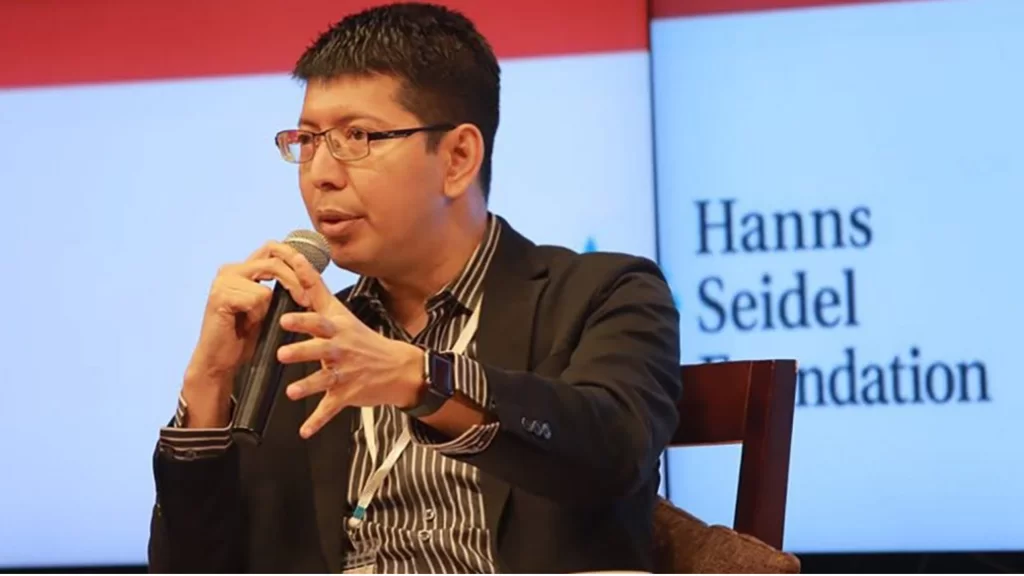
The joint letter of support signed by more than one hundred scholars for U.S.-Myanmar scholar U Min Zin points to more than just an individual case. It points to a more dangerous logic of power: when individuals can be treated as bargaining chips in negotiations between states, so-called diplomacy is no longer rule-based interaction among equal nations, but the manipulation of people by the powerful.
According to reports, U Min Zin was a scholar “lured and entrapped” by China; the relevant factual details still require further verification. But regardless of the eventual legal characterization, one basic principle must remain clear: no one should be secretly controlled or deprived of their freedom because of their identity, speech, research, or cross-border interactions, and then turned into a tool for political exchange. What the international community must do is not merely call for the release of one victim, but also ask: Who has the authority to make such a decision? Under what law? Can the victim receive an independent trial, legal assistance, and public remedies?
The repeated emergence of “hostage diplomacy” stems not from the personal character of any particular official, but from an institutional environment in which power lacks constraints. Under one-party dictatorship, the state apparatus, ruling party, and judicial system are highly integrated. There is no political accountability brought about by democratic elections, nor truly independent courts, free news media, or effective parliamentary oversight. Power can first decide that a person is guilty and then search for justifications; diplomacy can override the law; and the public can neither easily know the truth nor, even less, hold anyone accountable.
If the international community treats detainees merely as bargaining chips, or even makes concessions in exchange for their release, it may send the wrong signal to kidnappers: illegal acts can be profitable, and creating hostages can bring rewards. Therefore, rescue efforts must proceed alongside accountability. Relevant parties should be held responsible on the basis of verifiable evidence, and the costs of abusive detention should be raised through diplomatic, legal, and multilateral mechanisms, rather than placing individual lives and freedoms on a list of items for trade.
What can truly bring this mechanism to an end is not a temporary diplomatic exchange, but constitutional democracy, the separation of powers, judicial independence, and effective protection of fundamental human rights. Citizens are not the property of the state, and scholars are not enemies of the regime; a person’s freedom and dignity should not depend on the goodwill of a leader. Defending an individual case such as that of U Min Zin is, in essence, defending everyone’s right not to be arbitrarily detained, secretly tried, or treated as a political gift.
News background: The original report on which this commentary is based can be found at Deutsche Welle: DW-WORLD.DE。