
This English version may have been machine-generated from the Chinese original and may not convey the original meaning accurately.
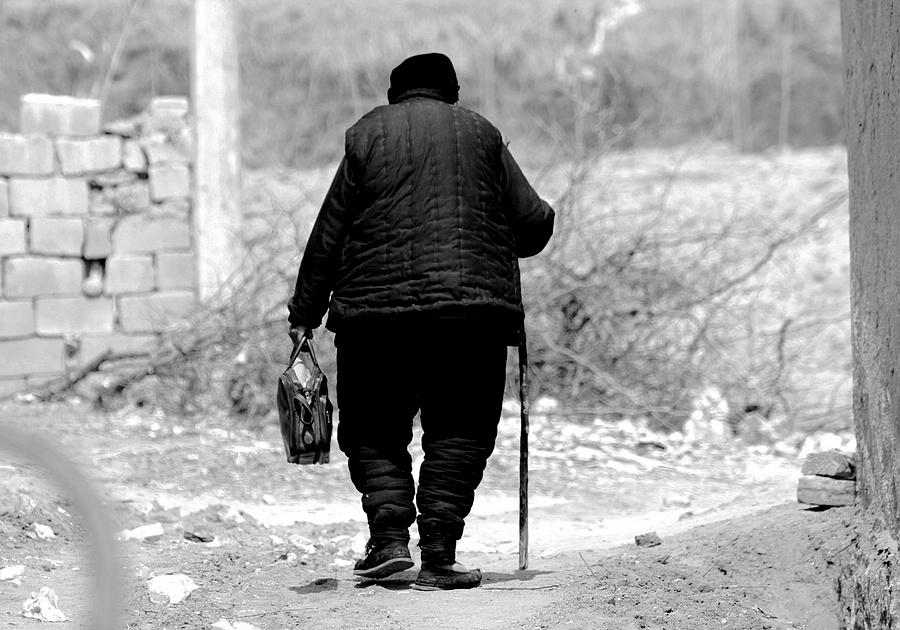
After Germany’s ARD television channel aired a short documentary about China’s wealth gap and the meager incomes of elderly people in rural areas, some German viewers asked whether a donation account could be set up for the elderly rural woman in Chongqing featured in the film. This detail is moving, but it also reveals a glaring disconnect: whether an elderly person living in China can enjoy a dignified old age has, remarkably, first become a moral concern for foreign viewers.
According to reports, the short film did not portray her as an abstract member of a “vulnerable group,” but allowed viewers to see a specific person: an elderly woman in rural Chongqing with a meager income. The viewers’ impulse to donate shows that the hardship she faces has gone beyond what can be explained by “a simple lifestyle” or “lower rural consumption.” The problem is that private donations can at most temporarily fill one person’s shortfall; they cannot replace a stable, predictable system of elderly care capable of covering the risks of old age.
Economic development and increased governance resources do not automatically become pensions, medical coverage, and care services in the hands of rural elderly people. They must reach individuals through distribution rules. If those rules make it easier for urban employees and people with the ability to make continuous contributions to obtain more comprehensive protection, rural elderly people may bear more of the risks associated with family support, illness, and loss of functional capacity; and when their children leave home for work and household incomes are unstable, responsibility for their old age is pushed back onto the elderly themselves. The report did not explain what specific pension benefits this elderly woman receives, the circumstances of her family members, or her medical expenses, so we cannot arbitrarily fill in a complete life story on her behalf. But placing “rural” and “meager income” side by side already suggests that the opportunities for old-age security have not reached every corner of urban and rural areas equally along with overall growth.
This is precisely the key to social equity: Is the standard for allocating elderly-care resources whether a person once had stable employment, made continuous contributions, and earned an urban income, or whether, as a citizen, she is entitled to a minimum standard of dignified old age that is not reduced because of her place of birth or work history? The former arrangement shifts risks onto individuals and families; only the latter treats elderly care as a public responsibility.
The German viewers’ desire to donate money is commendable for the compassion it reflects, but that goodwill should not obscure the nature of the problem. What the elderly woman in Chongqing needs may not be merely one-time assistance, but support that she can obtain according to established rules without waiting for a camera to capture her plight or for overseas viewers to be moved. The fairness of a society’s elderly-care system ultimately depends on whether its most ordinary elderly people can also be reliably supported by institutions when no one is paying attention.
News background: The original report on which this commentary is based can be found at Deutsche Welle: DW-WORLD.DE。