
This English version may have been machine-generated from the Chinese original and may not convey the original meaning accurately.
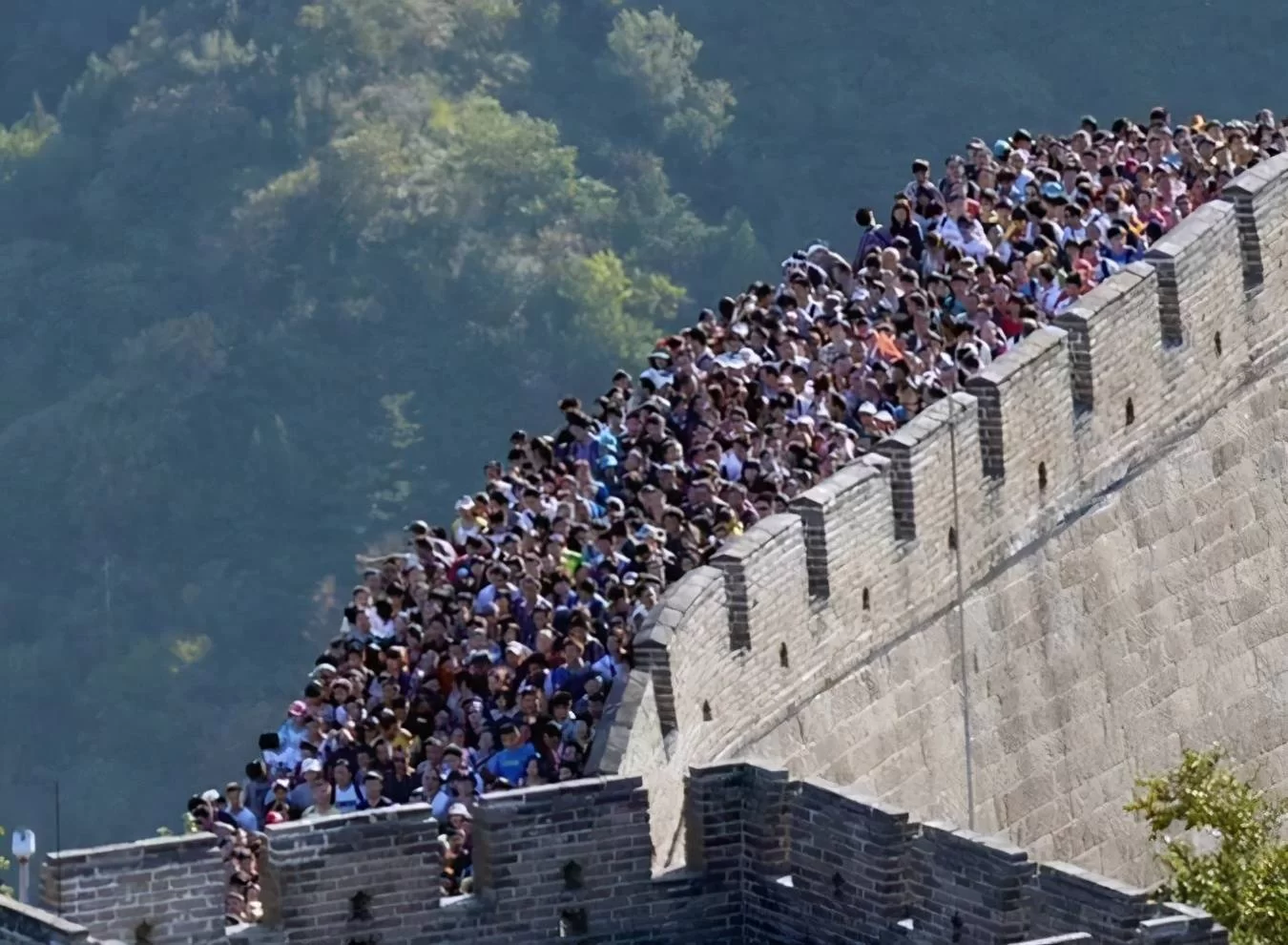
For an ordinary family during China’s 2026 “October 1” Golden Week, buying a train ticket may still be possible, but opening the wallet is no longer something they do lightly: the trip can go ahead, accommodation must be compared, dining expenses need to be cut, and shopping is avoided whenever possible. The crowds are still there, but consumption seems to be held back by an invisible hand. This is the contrast in this year’s “Golden Week” that is most worth examining.
According to Deutsche Welle, China’s wave of domestic and overseas travel continued during the National Day holiday; however, experts believe that people are inclined to spend cautiously, and that “budget travel is likely to persist.” Japan, a popular destination in previous years, even fell out of the top ten overseas travel destinations this year. The report did not provide a single reason for the change in Japan’s ranking, so it cannot simply be attributed to any one sentiment or policy. But the term “budget travel” has already conveyed part of the truth about ordinary people’s circumstances.
“Golden Week” literally suggests golden opportunities: concentrated time off, concentrated travel, and concentrated consumption. But when the “gold” refers only to the length of the holiday and no longer to the thickness of people’s wallets, it quietly becomes another unit of measurement—not how much a family can spend, but how much it must keep.
Continued tourist traffic does not mean that consumer confidence has recovered. Travel may be a brief release after a long period of pent-up pressure, or a way for families to preserve some semblance of dignity within a limited budget; but accommodation, dining, and shopping involve much longer-term financial considerations. Once a train ticket has been paid for, that expense is over, but future income, household spending, and unexpected risks do not all disappear when the holiday ends. As a result, people may reach distant destinations, while consumption stops before every moment of hesitation over “whether to buy.”
This also explains why “large crowds” cannot automatically be translated into “comfortable lives.” Crowding at tourist attractions can only show that people still want to travel; it cannot prove that they are confident about future income, much less that ordinary families dare to make large, long-term, or nonessential purchases. Turning footsteps into statistics of prosperity may precisely overlook the items every family repeatedly deletes before reaching the payment page.
If “budget travel” is merely a way of traveling, there is of course nothing shameful about it. The problem is that when saving shifts from an active choice to a widespread defensive posture, it reflects not just changing attitudes toward consumption, but a contraction in people’s expectations for their lives. What people need is not to be urged to “stimulate consumption,” but to have more stable assessments of their income, expenses, and future; they need an open, credible, and predictable environment, rather than a temporary holiday tide of travelers standing in for long-term security.
The 2026 “October 1” holiday therefore left behind a simple yet pointed message: ordinary people do not want to live less well; they simply do not dare spend today what tomorrow has not yet made certain. If a society sees only the people setting off, but not the wallets they clutch tightly, then what it sees is merely a tourism boom—not the true temperature of consumer confidence.
News background: The original report on which this commentary is based can be found at Deutsche Welle: DW-WORLD.DE。