
This English version may have been machine-generated from the Chinese original and may not convey the original meaning accurately.
They may be without a home, but they should never be without dignity
——A True Account from a Freezing Night in America
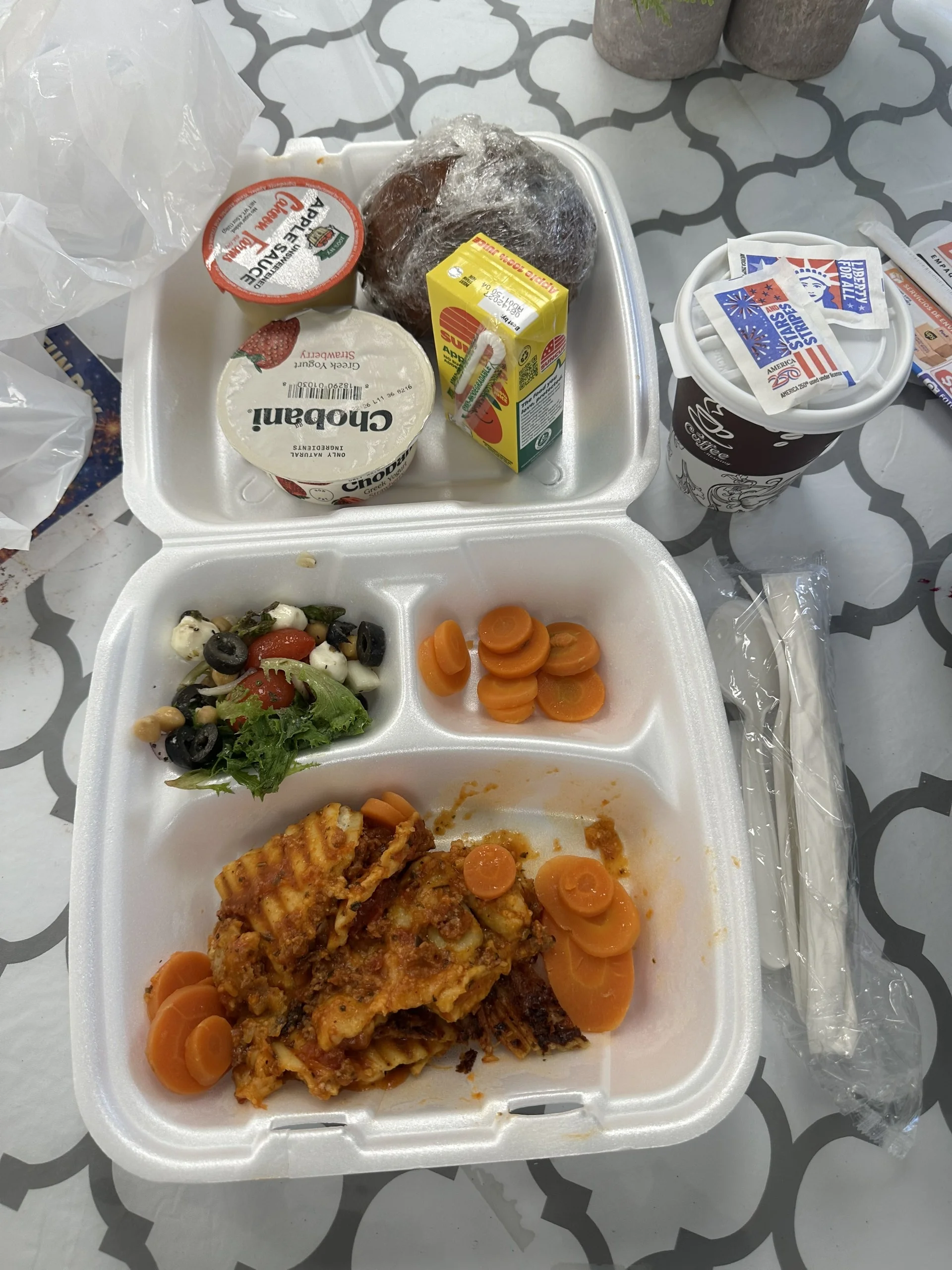
Tonight, I took part in a special volunteer activity, distributing free food to homeless people on the streets of New York.
There were four of us. We followed the church’s meal-delivery team and visited seven different locations. At each stop, some homeless people were already waiting. They knew that someone would bring them a free dinner that evening.
At first, I wanted to use my phone to film some footage and document the activity. However, a Black woman made it clear that neither filming nor photography was allowed.
She said something to me that left a deep impression:
This is the last bit of dignity the homeless have.
I was stunned for a moment.
Yes. We came with love and good intentions to help them, but had we ever considered whether they were willing to expose their most difficult and desperate moments to a camera?
They have already lost their families and homes, and may even have lost society’s respect. Must receiving a free meal also become material for someone else’s camera?
At that moment, I understood: helping others requires not only compassion, but also respect.
People waiting for dinner on the street
Tonight, we visited seven locations.
At one of them, a South American woman came to collect food with her three children. The family of four received exactly four meals.
Looking at the mother and her three children, I felt deeply troubled.
I do not know what they had been through, why they had ended up living this way, or where they would spend the night. But a mother bringing three children to the street to wait for a free dinner is, in itself, enough to break one’s heart.
The United States is an economically developed country, with one of the strongest economies in the world. Yet behind the bustling city streets, many people remain homeless. Some sleep rough, while others rely on aid to maintain the most basic standard of living.
Among them, some struggle with drugs or alcohol; some have lost the ability to live normally because of mental health problems; some have experienced unemployment, family breakdown, or illness; and others have lived in poverty for so long that they have gradually lost the strength to get back on their feet.
We cannot simply dismiss all homeless people as lazy, ignorant, or unwilling to improve themselves. When someone reaches this point in life, there is often a story behind it that we do not know.
What I especially could not understand was this: New York winters are so cold, so why would some homeless people rather stay on the streets than enter government-provided shelters?
Later, I thought that perhaps everyone has their own difficulties and concerns. Shelters cannot necessarily solve all their problems. For some people, they may not feel safe there, or the living conditions may be difficult for them to adapt to.
We cannot sit in a warm room and casually condemn someone sleeping in the cold wind.
But I hope even more that society can truly listen to their voices, understand their difficulties, and help them regain the ability to live, rather than merely helping them get through one night.
Forty Years of Compassion
What I admire even more is that this church has provided free meals to homeless people for a full forty years!
Forty years!
How many winters, how many nights, and how many acts of selfless giving does that represent?
Tonight, as we were about to finish delivering meals and leave, a homeless man arrived too late and was about to miss dinner. He shouted loudly from a distance. When the driver heard him, she did not simply drive away. Instead, she turned back and delivered the food to him.
Because if we had left, he might have gone hungry all night.
Such a simple gesture left me deeply moved for a long time.
A dinner may seem insignificant to us, but to someone who is starving and has nowhere to go, it may be the most important support they have that night.
We do not know where he will be tomorrow, or how many more hardships he will have to endure in life. But at least tonight, someone did not forget him.
This is love!
I would especially like to thank St. Bartholomew’s Episcopal Church in New York, thank this church for its steadfast service over the past forty years, thank all the volunteers who have participated in this work over the long term, and thank the kind people who have quietly donated money and offered their compassion.
It is precisely because of the perseverance and contributions of these people that this seemingly ordinary work has continued for forty years.
A Civilized Society Must Not Forget the Most Vulnerable
The level of civilization in a society should not be judged solely by how many skyscrapers, how much wealth, or how many billionaires it has. More importantly, it should be judged by how it treats the poorest, most vulnerable, and least empowered people.
We cannot solve all social problems overnight, nor can a few free meals change someone’s destiny.
But at the very least, we can show less indifference and more care; less discrimination and more understanding; less blame and more practical action.
Helping them does not mean enabling them to continue falling deeper into hardship. It means hoping they can regain their dignity, rediscover hope for life, and eventually become able to support themselves through their own efforts.
I sincerely hope that homeless people will receive more attention from society, escape the harm caused by drugs and alcohol, gain access to necessary medical care, psychological support, and employment opportunities, and once again have homes of their own.
May there be less hunger, less loneliness, and less despair from having nowhere to stay during this cold season. May more people lend a helping hand. Even a meal, a piece of clothing, or a word of concern could become a ray of light in someone else’s life.
Life is difficult, and simply staying alive is not easy. We do not know what others have been through, but we can choose kindness.
May God bless these homeless people, grant them the strength to rise again, give them the ability to earn a living, and free them from hunger, cold, and displacement.
May God also continue to bless all the volunteers and compassionate people who give quietly. May there be less indifference and more love in this world; less despair and more hope.
May every life be respected, and may every soul receive warmth.
True Charity Is Helping Those Who Receive It Keep Their Dignity
Finally, I want to say something in particular: the Black woman’s refusal to allow filming tonight was itself a moment from this volunteer activity that was very much worth recording.
She reminded us that true charity is not about allowing the giver to receive praise, but about allowing those who receive help to retain their dignity.
Love should never come at the cost of another person’s dignity.
The night of November 22, 2026