
This English version may have been machine-generated from the Chinese original and may not convey the original meaning accurately.
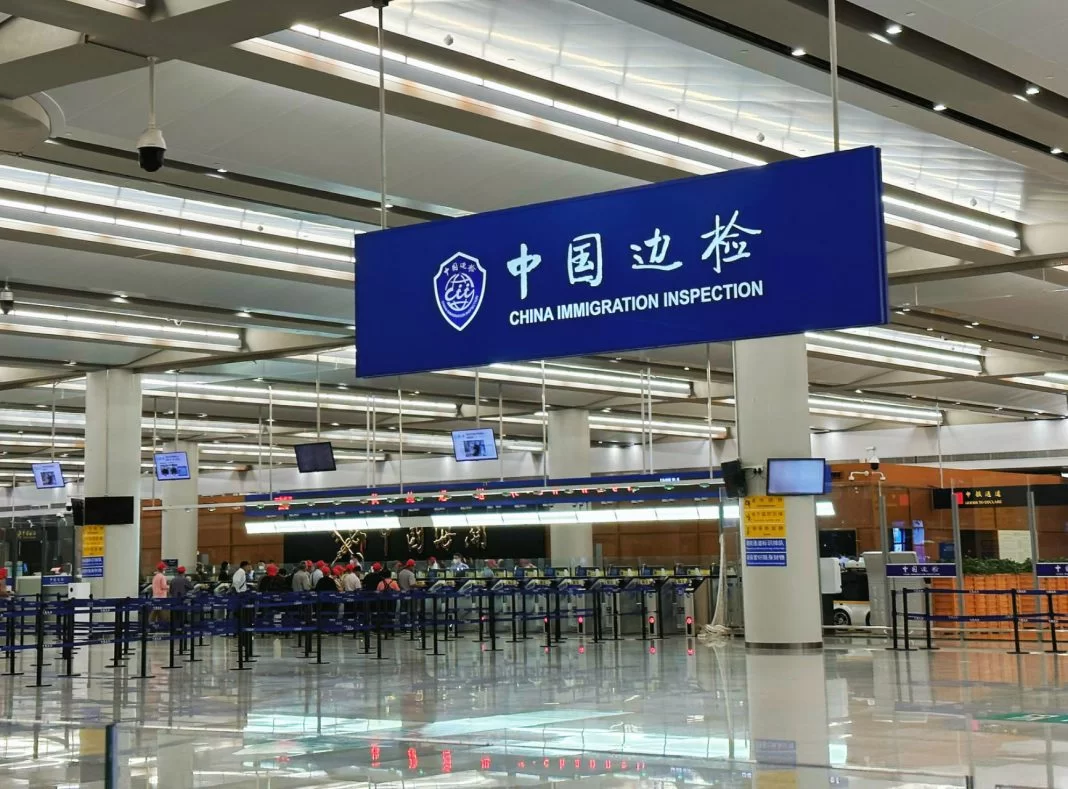
The new regulations of China's State Council have incorporated "potentially endangering national industrial security or technological security" as grounds for restricting exit, without listing criminal charges or court rulings as prerequisites. This means that whether a citizen can leave the country no longer depends on a judicial ruling made by a judge based on evidence, but rather on the subjective determination and policy needs of administrative departments. Scholars interviewed bluntly stated that this leaves the competent authorities with "considerable administrative discretion," which can be "tightened in enforcement" depending on circumstances—behind this statement lies the uncertainty hanging over the fates of countless ordinary researchers and engineers.
What deserves further scrutiny is: who defines "potentially endangering"? Based on what standards? Can those restricted appeal, and can they seek independent judicial remedy? The new regulations offer no answers throughout. This is not an oversight but reflects the consistent logic of this system—administrative power overrides judicial power, exit control decisions are made unilaterally by competent authorities, courts have no means to intervene, and citizens have no means to object. When "national security" becomes an infinitely elastic catch-all concept, anyone could be stopped at the airport without warning, even while holding a valid passport and airline ticket.
Some scholars interviewed compared this kind of tightening to "rebuilding the Berlin Wall," pointing out that it signals the gradual withdrawal of the freedom of movement that citizens had painstakingly gained over thirty years of market-oriented reform. This comparison is not an exaggeration: when a regime can strip citizens of their freedom of movement through a mere administrative decision, without going through independent judicial review, its nature has drifted further away from a state governed by rule of law, sliding toward comprehensive control in the name of national security.
The deeper problem lies in the fact that this type of legislative model is not an isolated case, but rather a normalized operation of the entire system: national laws first leave gaps through principled clauses, which are then filled in with details by supporting administrative regulations from the State Council, with enforcement standards subject to adjustment at any time according to "strategic and policy needs." This legislative practice of "legislating first to leave loopholes, then filling in content administratively" essentially concentrates legislative power, enforcement power, and final interpretive authority within the same power structure, rendering the National People's Congress's authorization a mere formality, with judicial review being entirely out of the question.
If there truly existed a judicial system independent of the administration, if citizens' rights were genuinely protected by the constitution, and if the legislative process were subject to substantive democratic and press oversight, then such a vaguely authorized regulation lacking any avenue for remedy should have been publicly debated and blocked by judicial review at the draft stage. But under a system where power is unchecked, the administrative agency serves simultaneously as rule-maker, enforcer, and final arbiter—citizens' freedom of travel, career development, and even personal dignity all hang upon this self-authorizing, self-expanding administrative will.
Freedom of exit may appear to be a technical issue, but in reality it is an important yardstick for testing whether a regime respects citizens' basic rights. Only by establishing constitutional democracy, achieving separation of powers, and judicial independence—so that administrative power is subject to legislative oversight, judicial review, and press exposure—can citizens truly be free from losing their freedom of movement and personal dignity due to an unchecked administrative regulation. This is not alarmism, but a reality that every ordinary person living under this system, who could be subjected to "exit control" at any moment, ought to clearly recognize.
News background: The original report on which this commentary is based can be found at Radio Free Asia Mandarin.