
This English version may have been machine-generated from the Chinese original and may not convey the original meaning accurately.
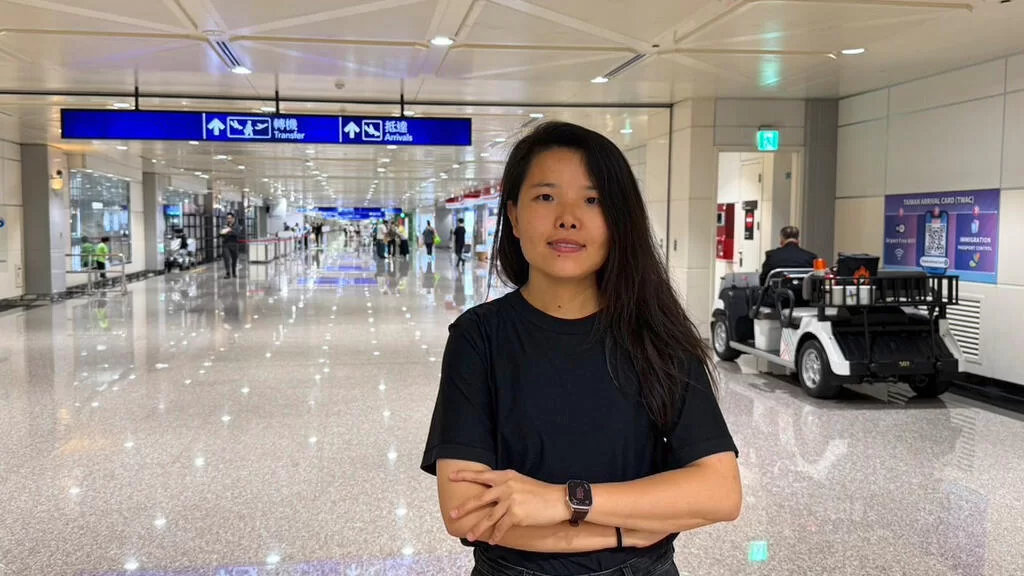
Lawyer Wang Xiahong reportedly came under pressure from the Chinese authorities, along with the law firm she belonged to, for participating in the defense of members of Beijing Zion Church. They were allegedly told to dissolve voluntarily or face consequences including forced closure. She has now arrived in Taiwan, where she has been permitted to stay temporarily while seeking resettlement in another country. This experience is not merely an individual professional predicament; it is also a mirror reflecting the current state of the rule of law in China.
A lawyer’s duty is to defend clients within the framework of the law; the basic rights of church members should include the freedom of religion, association, and access to legal assistance. However, when a lawyer is threatened by her own institution and administrative authorities because of representing a case, the notion of “governing the country according to law” cannot remain confined to institutional texts and propaganda slogans. If the law can constrain only ordinary people but not agencies wielding public power, and if the judiciary cannot independently review government actions, lawyers are no longer guardians of citizens’ rights but may instead become targets of pressure from those in power.
The detention of Zion Church members and the repercussions faced by their defense lawyers reflect the same institutional logic: in a system lacking democratic elections, checks and balances, and freedom of the press, the government may decide both which beliefs are allowed to exist openly and which lawyers may continue practicing; when power lacks independent oversight, administrative orders can easily override individual rights and due process. Even if individual cases take a turn because of international attention, that cannot substitute for institutional protection of rights. Rights cannot depend on a single meeting with a leader, outside public opinion, or a temporary act of clemency by the authorities.
Taiwan’s decision to allow Wang Xiahong to stay temporarily and assist in finding a resettlement solution reflects the importance that a democratic society places on the safety and dignity of those facing persecution. Taiwan’s Mainland Affairs Council also stated that Taiwan currently has no law governing political asylum, but that relevant mechanisms already exist. This reminds us that free societies likewise need to continually improve their laws so that anyone persecuted because of their faith, speech, or legal representation can receive clear, stable protection free from the influence of political connections.
Truly preventing tragedies of this kind cannot rely solely on the courage of individual lawyers or assistance from overseas governments. It requires the establishment of constitutional democracy, separation of powers, and judicial independence; protection of freedom of speech, the press, religion, association, and legal defense; and the ability of citizens to oversee the government through genuine elections. Only when power is jointly constrained by the constitution, the courts, the legislature, and the public can lawyers speak out fearlessly for the vulnerable, and individuals avoid being forced to leave their homes simply for upholding their conscience. Protecting legal professionals like Wang Xiahong means protecting the dignity and civil rights of every person.
News background: The original report on which this commentary is based can be found at Radio Free Asia Mandarin。