
This English version may have been machine-generated from the Chinese original and may not convey the original meaning accurately.
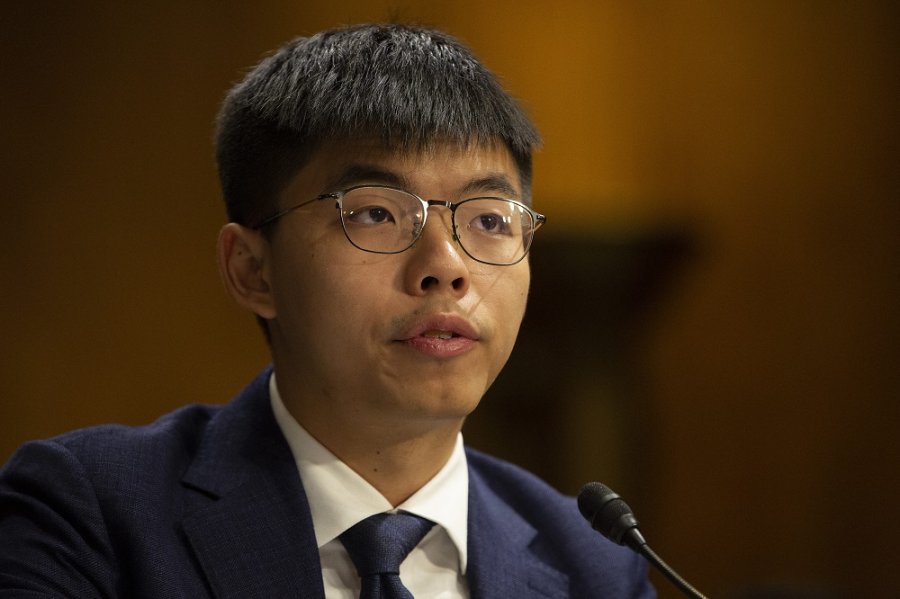
Joshua Wong was charged again in prison with “conspiracy to collude with foreign forces to endanger national security” and pleaded guilty in court; the offense carries a maximum sentence of life imprisonment. For someone already serving a sentence in the “47-person primary election case” and originally expected to be released in 2027, the new charges could mean that his punishment and imprisonment may be extended indefinitely. U.S. political figures and several international human rights organizations have therefore condemned the case as political persecution and called for his immediate release.
What most deserves scrutiny here is not simply whether Joshua Wong pleaded guilty, but why someone would plead guilty to a charge carrying a maximum sentence of life imprisonment. A guilty plea does not necessarily mean that the facts and justice have been affirmed; under prolonged detention, the threat of severe punishment, and political pressure, it may also be the defendant’s attempt to reduce risk and secure a limited space for survival. What truly needs to be examined is whether the charges are clear and specific, whether the conduct constituted a crime at the time it occurred, and whether the defendant was afforded the guarantees of an independent, impartial, and public trial.
According to reports, prosecutors have focused on the international media and political activities carried out by Demosistō between 2019 and 2020; the organization was dissolved when the National Security Law took effect in 2020. Human rights organizations have also pointed out that some of the alleged evidence arose before the National Security Law was enacted and even involved reposting content from former colleagues. If a law enacted later is used to pursue peaceful political expression that took place earlier, the basic principles of law—clarity, foreseeability, and non-retroactivity—are seriously challenged. If political positions such as “seeking foreign sanctions” or “ending one-party rule” can themselves serve as the basis for serious criminal charges, then so-called national security has effectively been expanded into a tool for banning dissent, organization, and international advocacy.
The root of Hong Kong’s problems lies neither in any one activist nor in any isolated offense, but in an institutional environment where power lacks meaningful restraints: there are no genuinely democratic elections, the executive branch outweighs the legislature and judiciary, courts are influenced in national security cases by designated mechanisms and political frameworks, and the space for media and expression continues to shrink. When the same power can devise broad offenses, pursue prosecutions, control the political environment, and influence the operation of the judiciary, the law may transform from a boundary protecting rights into a cloak for rulers to suppress society.
A citizen’s dignity should not depend on whether they support the government; peaceful expression, forming associations, participating in political activities, and seeking help from the international community are all fundamental freedoms. Only constitutional democracy, the separation of powers, judicial independence, free elections, and meaningful human rights protections can ensure that national security serves the people rather than forcing the people to submit to power. Supporting Joshua Wong means defending a simple principle: seeking freedom is not a crime, and criticizing the government should not be grounds for losing one’s freedom.
News background: The original report on which this commentary is based can be found at News - Voice of America.