This English version may have been machine-generated from the Chinese original and may not convey the original meaning accurately.
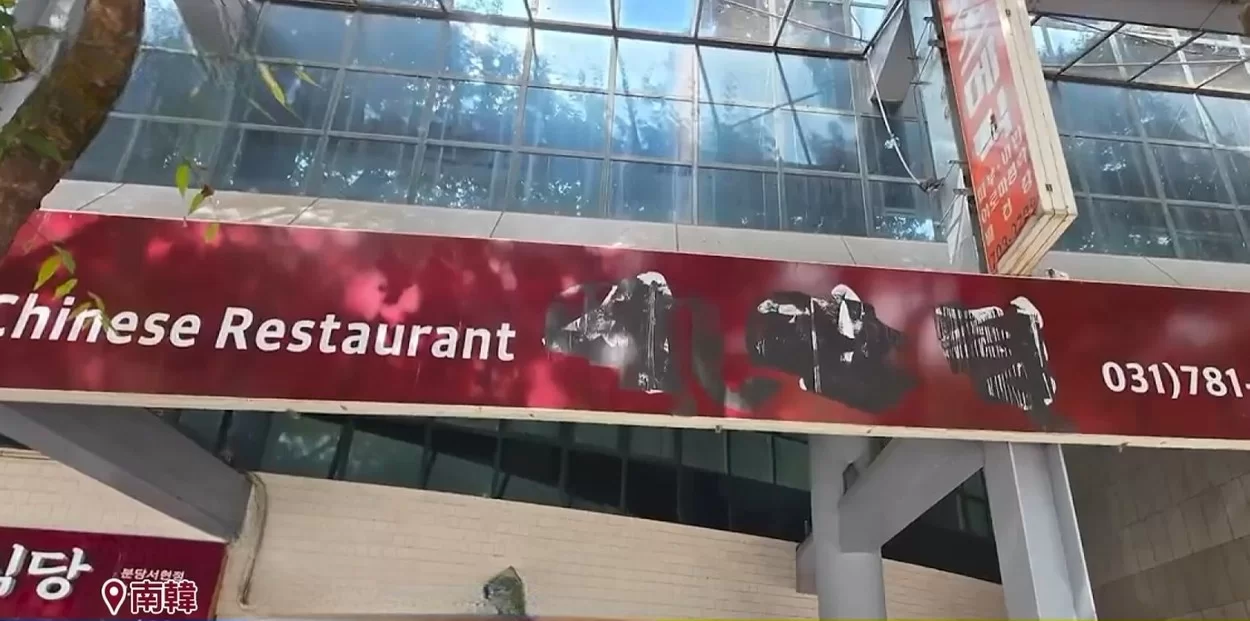
The name a restaurant chooses is, first and foremost, a matter of the owner's freedom. The owner of this restaurant in Seongnam, Gyeonggi Province, South Korea, has explained it clearly: naming it “Xi Jinping” was intended to make it “the best Chinese restaurant in Korea,” with no political intent. That explanation may not please everyone, but it is sufficient to show that this is a private business owner's choice in naming his business, not a political statement that anyone is required to accept.
This freedom of course has limits. A restaurant may not deceive consumers through its name or infringe on the legitimate rights of others; if “Xi Jinping Special Fried Rice” raises intellectual property or other issues, the relevant authorities may review it in accordance with the law. In April this year, South Korea's intellectual property authorities received a complaint about the dish's name, and ultimately closed the case, determining that there was “no problem.” Within the scope of the available evidence, the legal process has already provided an answer: disliking the name does not mean one may simply declare it illegal.
Yet the pressure in reality did not stop with the complaint. The restaurant had been operating for eight years, but only began receiving demands to change its name in the past year. In August last year, after reports emerged that Xi Jinping would attend the APEC summit held in South Korea, the owner received dozens of phone calls; some people even claimed to run businesses in China and offered to pay a “large sum of money” in exchange for changing the name. Monetary inducement is not necessarily illegal in itself, but when combined with sustained and persistent pressure, a private choice begins to face a form of unequal political pressure: you can keep the name, but only at an increasingly high cost.
In the early hours of September 24, four masked men broke into the restaurant, smashed the furniture, and sprayed paint. The owner estimated the damage at approximately 15 million won, and the restaurant consequently closed for five days. Police said that all four suspects were Chinese nationals between the ages of 20 and 40. They reportedly fled to Shanghai and Yantai, Shandong, after the attack, and authorities planned to apply for Red Notices from Interpol. A Red Notice is not an arrest warrant, and that point should also be made clear; but fleeing across borders does not turn property damage into an act of “expressing an opinion.”
What is truly troubling is how rights can be narrowed little by little. First came demands by phone, then financial pressure, followed by masked destruction; finally, the owner said that the team was considering changing the name. If the name is ultimately changed simply because of fears that someone might smash the restaurant again, then the apparent “voluntary” choice will already be shadowed by threats.
Therefore, the answer to the core question is this: private business owners have the right to name and operate their businesses as they see fit, so long as they do not violate clear legal boundaries; others have the right to criticize, refuse to patronize the business, and file lawful complaints, but they do not have the right to turn cross-border political sentiments into harassment and vandalism. A name may be displeasing, but furniture, income, and business security should not become targets for others to vent their displeasure. A four-star rating and continued business show that customers can respond entirely through their choices; smashing the restaurant, however, demands that everyone accept a more dangerous rule—whoever's name is unacceptable must pay the price.
News background: The original report on which this commentary is based can be found at BBC Chinese.