
This English version may have been machine-generated from the Chinese original and may not convey the original meaning accurately.
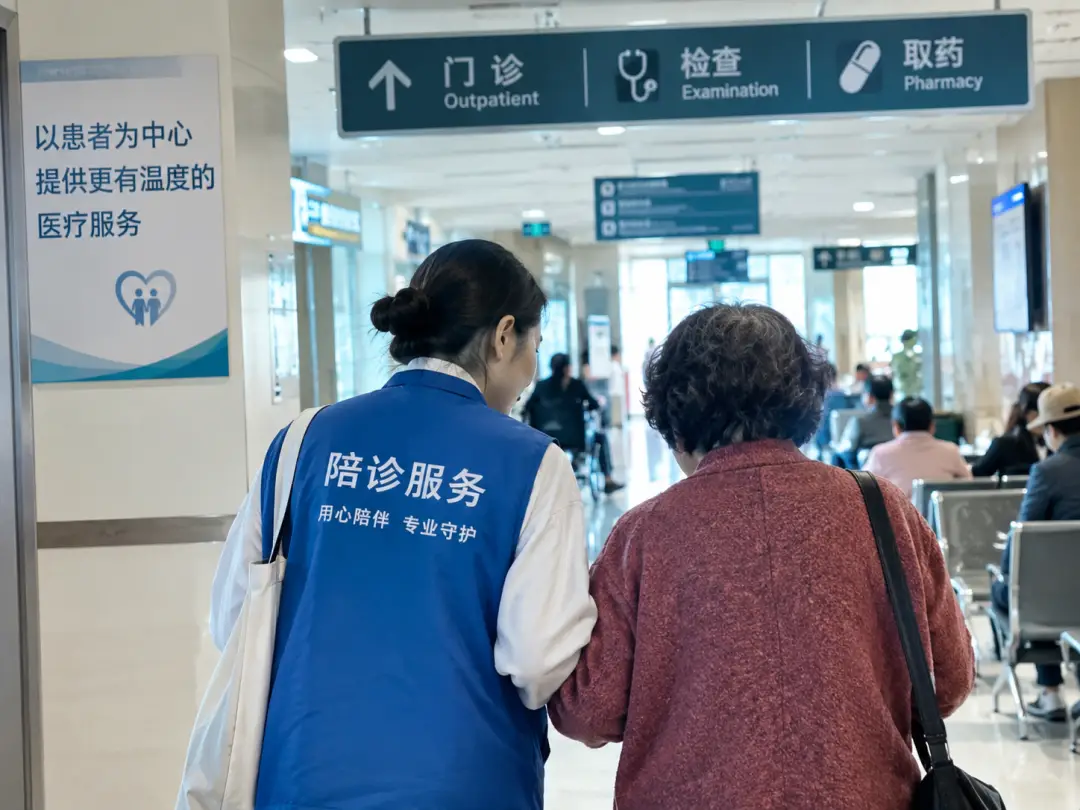
Ms. Ding, a woman born in the 1990s from Wuhan, currently makes a living by taking bookings for patient companionship and hospital caregiving: ordinary caregiving costs about 300 yuan for 24 hours, while patients with tracheotomies or on ventilators are charged 500 yuan or more. Meanwhile, young people are feeding cats, walking dogs, accompanying others on outings, and chatting with clients in their homes, sustaining themselves through per-visit or hourly work after setbacks in their job searches. The issue is not simply that work has become more “flexible,” but whether the risks of unemployment and the costs of security are being shifted back onto individuals one by one.
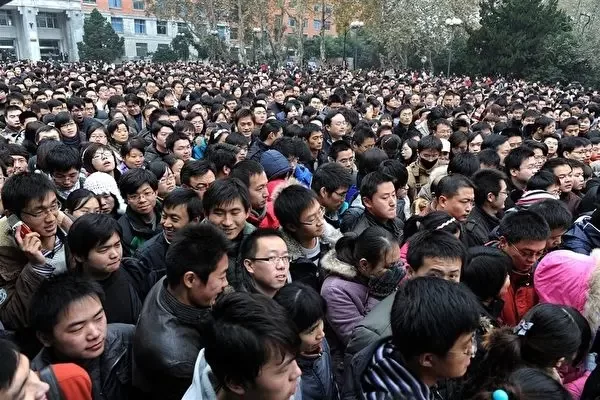
- Youth unemployment is rising, while the number of graduates continues to grow. The National Bureau of Statistics reported that in August 2026, the unemployment rate among the urban labor force aged 16 to 24, excluding students, was 18.9%, up 1 percentage point from July; the rate for those aged 25 to 29 was 7.5%. The Ministry of Education estimates that the number of graduates from regular higher-education institutions in 2026 will reach 12.7 million, an increase of 480,000 from the previous year.
This means that patient companionship and cat feeding may not be personal choices pursued by only a small number of people, but the result of large numbers of new workers seeking income outside regular positions. Whether someone is “employed” cannot be judged merely by whether they have received a booking; it is also necessary to consider whether that income is stable and whether it can cover the costs of illness, retirement, and periods of unemployment.
- “Having a job” and “having security” have been separated. Shen Li said that security guards earn less than 3,000 yuan a month. Although such jobs at least include “five insurances and one housing fund,” they are also “hard to find”; Ms. Ding, by contrast, said that temporary workers earn 20 to 40 yuan per hour, or 150 to 300 yuan per day, and do not receive the “five insurances and one housing fund.” Patient-companionship income may appear higher than that of some hourly workers, but payment by the day or per booking does not amount to sustained income, much less social security.
Workers bear the burdens of finding clients, gaps between bookings, and physical risks, while their income has no corresponding certainty. If the employment system merely counts whether “someone is doing the work” without asking who bears the costs of medical care, retirement, and accidents, it will quietly shift responsibility for security onto those with the least bargaining power.
- Responsibility for caregiving services has not been clearly defined along with the orders. Home visits to feed cats involve keeping keys, protecting residents’ privacy, and checking electrical appliances and doors and windows; workers may be bitten by pets and could also be asked by owners to pay compensation if a pet becomes ill. Patient companions, meanwhile, deal with hospitalized patients. Ms. Ding noted that fees are higher for patients with tracheotomies or on ventilators, but the report did not mention corresponding boundaries of responsibility, insurance arrangements, or procedures for handling disputes.
Charging by the hour solves the problem of “whether there is money today,” but does not automatically solve the question of “who is responsible if something goes wrong.” When clear contracts and channels for seeking redress are lacking among service recipients, workers, and intermediaries, individuals are likely to bear the risks first.
- Growth in recruitment demand cannot be presented as full employment. The 2025 Report on China’s New Forms of Employment shows that the number of job postings for patient-companionship providers grew by more than 30% in 2025, with 56.4% of positions imposing no educational requirements and 77.4% requiring no work experience; but this reflects recruitment demand, not the actual number of people employed. The report also mentioned that Huan Cong, who has provided in-home cat-feeding services for nine years, expected to earn 160,000 yuan over the more than 20 days before and after the Spring Festival. However, it did not specify whether that figure represented individual or team income, or how much the costs were; at their busiest, he and four employees could complete 55 orders a day, working from 3 a.m. until 10 or 11 p.m.
Numbers can prove that a market exists, but they cannot prove on workers’ behalf that a stable occupation already exists. The most telling fact is that Ms. Ding explicitly said that she would not choose this kind of scattered gig work if she found a suitable job, because it offered “no sense of security.” When someone does not choose flexible employment out of interest, but accepts it because regular work is unavailable, the so-called new choice is already involuntary in nature; and every order without the “five insurances and one housing fund,” clear boundaries of responsibility, and income security is effectively paying for risks that should originally be shared by the employment system.
News background: The original report on which this commentary is based can be found at Radio Free Asia Mandarin.