
This English version may have been machine-generated from the Chinese original and may not convey the original meaning accurately.
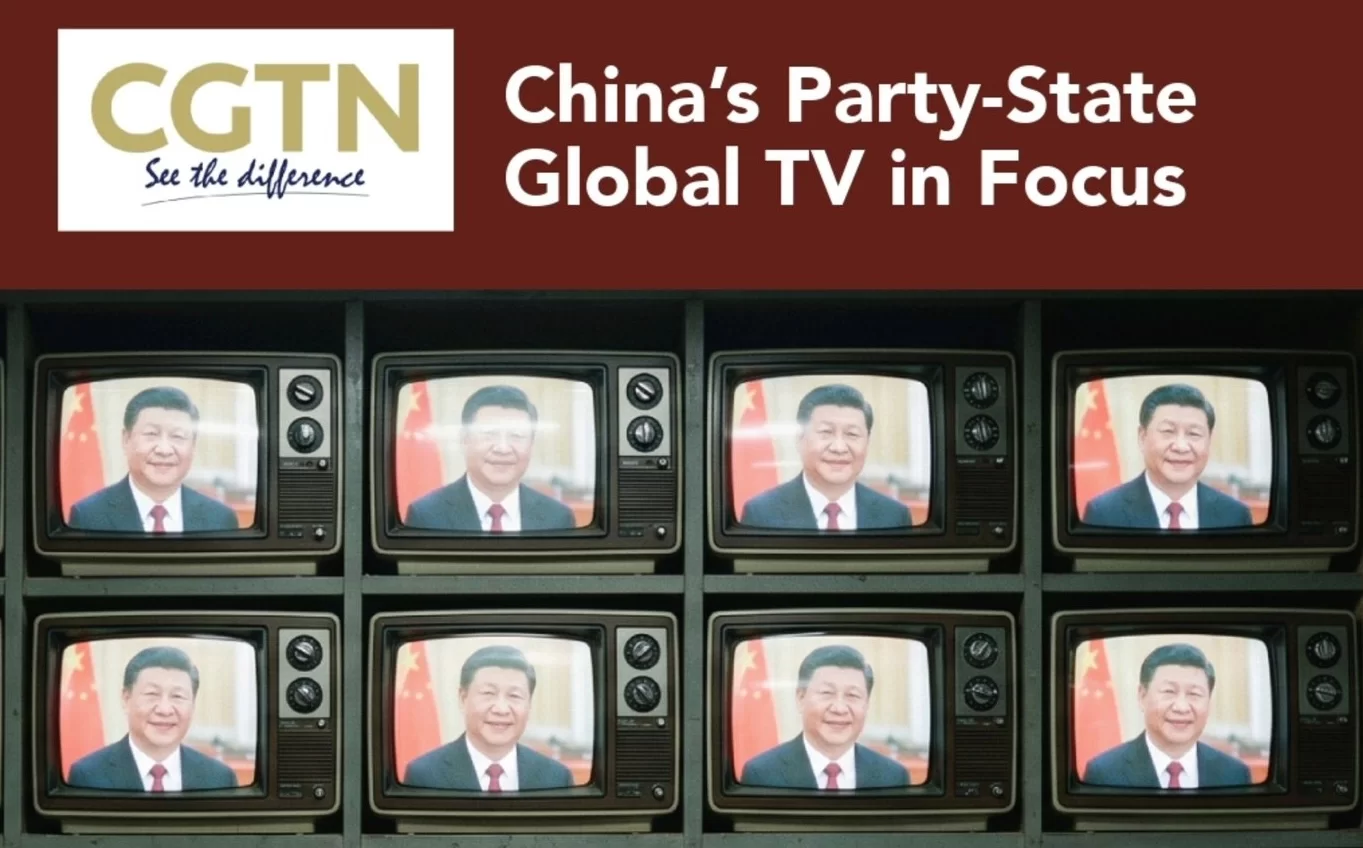
The investigative report released by “Safeguard Defenders,” based on the experiences of eight former CGTN employees, reveals the broadcaster’s internal operations in news production, story selection, and broadcast review. If the report’s claims are substantiated through further verification, they would demonstrate a fundamental contradiction between CGTN’s self-proclaimed role as “objective, rational, and balanced” and its actual function as a vehicle for political propaganda.
What most deserves scrutiny is not merely whether a particular “confession” segment was broadcast, but who has the authority to decide that a person who has lost their freedom and has no lawyer present must face the camera to “prove” their guilt. The material shows that Zheng Wenjie’s televised confession script in 2019 was delivered to the newsroom only shortly before the live broadcast, with instructions that it “must be broadcast.” The report also states that between 2013 and 2019, CGTN and its predecessor broadcast at least nine televised confessions involving Chinese and foreign nationals. What a person says while in detention cannot automatically become evidence of a crime; without independent judicial review, legal assistance, and voluntary expression, a so-called confession may well be nothing more than a propaganda prop following a predetermined conclusion by those in power.
Once the media packages un independently verified statements as news, it ceases to be a public institution that oversees power and instead becomes a tool for those in power to manufacture narratives. The report’s descriptions of “all reports being positive,” story topics being decided before editorial meetings, coverage of certain leaders being required to contain no errors, and Xinjiang-related stories being required to adopt a specific narrative do not reflect the moral failures of individual reporters or editors, but rather an institutionalized censorship mechanism: the Party’s will takes precedence over journalistic facts, political objectives take precedence over the public’s right to know, and obedience takes precedence over professional judgment.
This is the shared predicament of media under a party-state system. When the National Radio and Television Administration is led by the Central Publicity Department of the Communist Party of China, and media executives simultaneously hold positions within the publicity system, news organizations cannot truly be independent of power. Without competitive elections, an independent judiciary, and a free media capable of investigating and holding the ruling party accountable, the public lacks institutional channels for correcting lies and demanding responsibility. “Telling China’s story well” ultimately easily becomes a demand to tell only one story.
The root of the problem is not a particular program, supervisor, or telephone instruction, but the absence of checks on power. Only by establishing constitutional democracy, the separation of powers, and judicial independence, while safeguarding freedom of the press, freedom of speech, and defendants’ basic rights, can the media transform itself from a propaganda tool into a public watchdog, preventing the camera from replacing the judiciary and ensuring that individuals do not have to trade their dignity for the approval of those in power.
Citizens are not passive spectators who simply accept official narratives; they are people with the right to know, question, and exercise oversight. Freedom of the press protects not only journalists’ professional ethics, but also the possibility that every person can retain facts, dignity, and justice when facing the machinery of the state.
News Background: The original report on which this commentary is based can be found at Radio Free Asia Mandarin。